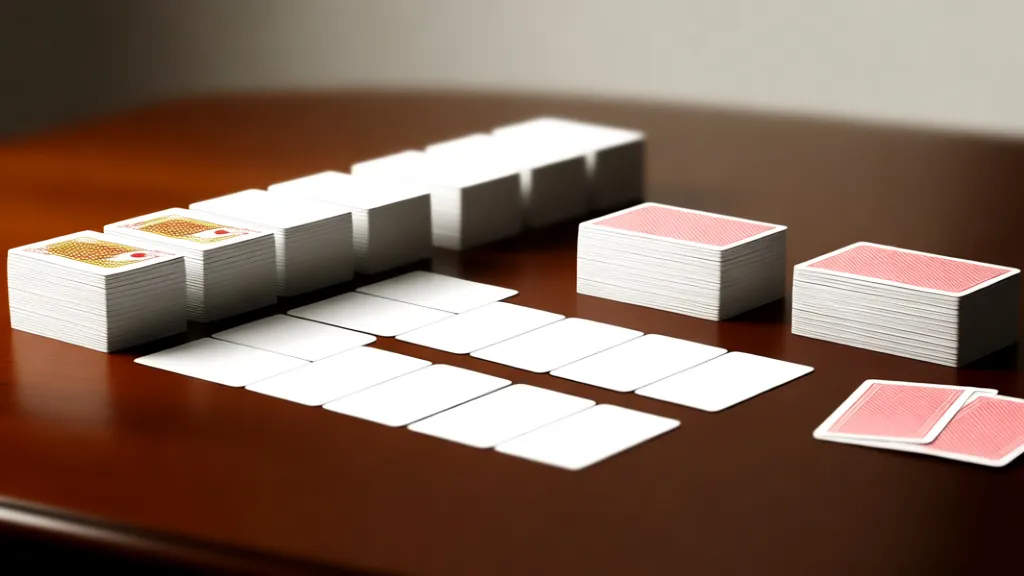
Three-Deck FreeCell expands the classic open-card layout by introducing three copies of every card. The board grows to 156 cards, increasing the number of potential moves and creating more opportunities and more dead-ends. On Solitaire Compass, this hub guides players from first principles to advanced patterns so you can approach any deal with confidence.
Read also: Sol FreeCell Mastery: Expert Strategies for Every FreeCell Deal
What is Three-Deck FreeCell?
In this variant, there are three identical copies of each card. The goal remains to build four foundations by suit in ascending order from Ace to King, but you must move three copies of every rank into those foundations across the four piles. The larger tableau sharpens planning, emphasizes careful management of duplicates, and rewards long-term sequencing. Expect more extended play times and more permutations to explore.
Key differences from standard FreeCell
- Card duplication increases the number of playable sequences and potential permutations.
- Foundations accommodate three copies of each rank per suit, which changes the pace of building from Ace upward.
- The expanded deck creates longer, more intricate build paths and counters to premature blocking.
- More strategic value in using free cells to create parallel progress across suits.
- Dealing patterns may reveal recurring structures you can exploit with pattern recognition.
Managing duplicates and foundations
With three copies of every card, choosing which copy to advance first is essential. Prioritize freeing the earliest unobstructed copy of a suit’s Ace, then progressively unlock the next ranks while keeping reserve cards versatile. Avoid draining a single suit’s duplicates too early, which can stall other suits waiting for a card that is temporarily blocked.
Free cells strategy: when to use vs hold
Free cells act as the primed engine for multi-deck situations. Use them to temporarily house blockers, but avoid overfilling the space. A good rule: keep at least one free cell for each active suit that is progressing toward a foundational sequence. When possible, stage moves so you can unleash a tidy cascade to foundations, rather than scattering moves that create future bottlenecks.
Practical strategies to win more often
Approach three-deck FreeCell with a disciplined, stepwise plan. Start by identifying the longest possible sequences in the tableau and identify Aces and small ranks that are already accessible. Then follow a process: (1) free the top cards of the tableau, (2) move any Ace to its foundation, (3) push higher cards onto foundations in manageable batches, (4) continually re-evaluate the board for creating new sequences, and (5) use free cells to maintain options while preventing deadlocks.
Here are concrete tactics you can apply on any deal:
- Prioritize uncovering Aces for foundations and free the leading edge of potential sequences.
- Batch build sequences when practical, but avoid excessive back-and-forth moves that waste free-cell opportunities.
- Balance progress between suits; don’t advance all ranks of one suit if it leaves another suit blocked.
Deal analysis and practice routines
Regular practice with three-deck FreeCell hones pattern recognition. Try analyzing a deal by tracing potential opening moves to create multiple parallel paths. Use practice sessions to identify common deadlock patterns, such as when two duplicates block cross-suit progress. Solitaire Compass offers practice puzzles and didactic guides to help you internalize the core decision criteria: what to move now, what to reserve, and how to pivot when a plan stalls.
Common pitfalls and optimization tips
Common pitfalls include overusing free cells on non-essentials, failing to unlock foundational cards early, and neglecting the impact of duplicates on future moves. Optimization tips: (a) aim for symmetry in your early plays to create balanced progress across all suits, (b) keep one or two slots open for crucial blockers, (c) routinely review the board for newly opened foundations, and (d) avoid long, unstructured move sequences that drain options.
Frequently asked questions
Q: Is three-deck FreeCell solvable on most deals?
A: Yes. Most deals are solvable with careful planning and disciplined use of free cells, though some layouts require specific, longer sequences and patience.
Q: How does three-deck FreeCell differ from standard FreeCell?
A: The core objective is the same, but there are three copies of every card, increasing duplicates and expanding paths. This raises difficulty and rewards long-term sequencing and pattern recognition.
Q: What is a practical opening strategy?
A: Start by scanning for Aces and already exposed low cards to push toward foundations, then plan several moves ahead to prevent blockers.
Q: How should I practice?
A: Use guided puzzles, time-boxed drills, and deliberate repetition to cement key decision criteria—what to move, what to reserve, and when to pivot.