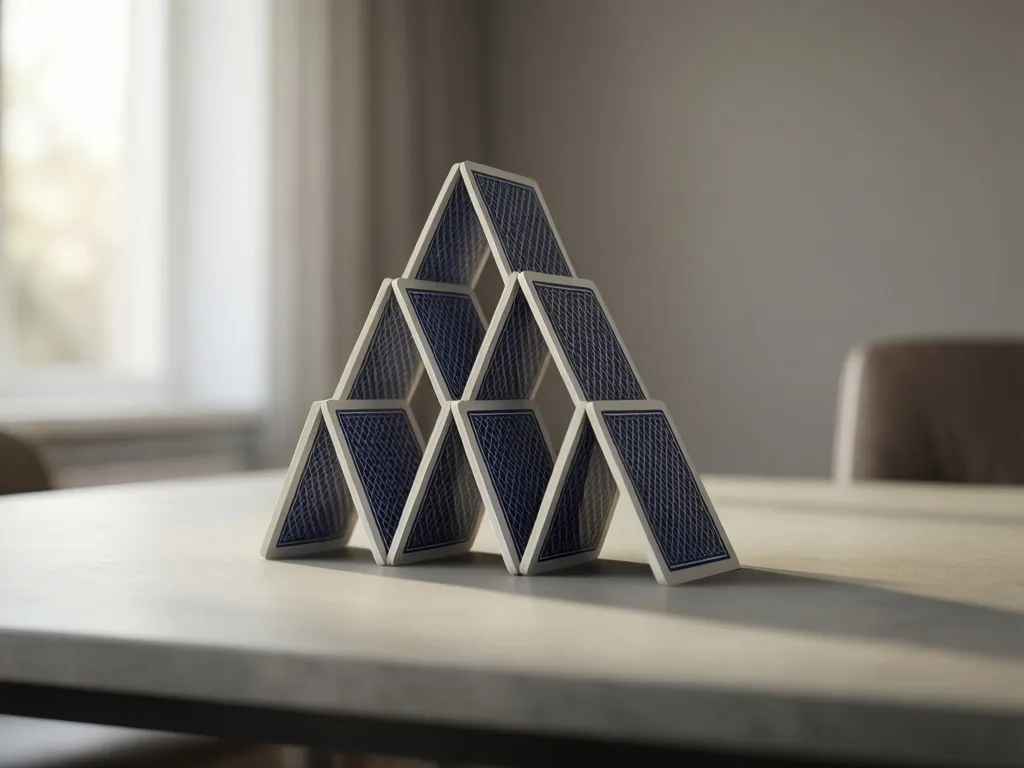
Free Pyramid Solitaire Full Screen offers the same challenge as the classic layout, but with a larger, distraction-free canvas. The fullscreen view helps you spot buildable pairs at a glance and accelerates decision making, which is key when you are aiming to clear the pyramid quickly and consistently.
Read also: The Pyramid Game: Rules, Strategy and Variants for Solitaire
Understanding Free Pyramid Solitaire Full Screen
In the standard pyramid layout, 28 cards form a triangular pyramid. The objective is to remove all pyramid cards by forming pairs that sum to 13, or by removing kings alone. Aces count as 1, cards 2 through 10 count face value, jack 11, queen 12, king 13. Only free cards — those not covered by any other face up card — can be used in moves. In fullscreen, the layout remains the same, but you benefit from larger visuals and fewer browser distractions, which reduces misreads and misclicks.
Rules, setup and the stock
Card values and pairing to 13
To remove a card, pair it with another free card so that the two values add to 13. A free king can be removed by itself. Example pairs include 7 and 6, 9 and 4, or 5 and 8. Kings simply vanish when available as single moves. Some fullscreen variants allow a single pass through the stock with a limited redraw; others permit a three-card redraw. Always check the specific game rules in the interface, but the core mechanic remains consistent across versions.
Pyramid layout and stock management
The pyramid is built in rows: 1 card in the top row, 2 in the next, continuing to 7 rows, for a total of 28 pyramid cards. Each card in the upper rows sits on two cards below; if a card is still covered, you cannot use it until its covers are removed. The remaining deck cards compose the stock. Fullscreen does not alter the math, but it makes the stock cards easier to see and manage. Pay attention to stock reuse rules and redraw limits, which vary by game mode.
Mastering fullscreen: practical strategies
Observing the pyramid quickly
Begin by scanning for immediate 13s and pairs that unlock multiple freeing moves. In fullscreen you should mentally map which face-up cards unlock the most covered cards. Prioritize moves that release corner cards and central cards that bridge multiple layers. Consider the upside of setting aside usable cards that unlock long chains of removals.
Move selection and timing
Develop a rhythm: identify a set of reliable pairs, then execute them in sequence to avoid blocking future options. If you see two potential pairs, pick the one that frees cards with the fewest remaining blockers. In fullscreen view, you can see more at once, so aim to clear the top rows before drawing from stock, reducing the number of redraws required later.
When to redraw from stock
Stock management often determines win rate. Use a rule like redraw only when no free pairs exist and you have a card in hand that will unlock a blocker. If the stock allows three-card cycles, plan several steps ahead: which three cards in the stock will best connect with the exposed pyramid cards? In fullscreen, you can evaluate sequences faster and reduce wasted cycles.
Common pitfalls and performance tips
- Underestimating hidden blockers: always consider how removing a visible card affects the cards beneath.
- Overlooking a safer alternative: when two moves exist, choose the one that frees more options in future steps.
- Neglecting card memory: keep a quick mental tally of which ranks remain in the pile to anticipate likely pairs.
- Rushing in fullscreen: take a breath, verify a move, then act to avoid misclicks on large cards.
FAQ
Q: Can I play fullscreen on mobile devices?
A: Yes, many implementations support fullscreen on mobile browsers with a tap to enter mode. Some games adapt the layout to fit smaller screens, maintaining touch friendly targets.
Q: Does fullscreen speed up the game?
A: It can, by reducing visual clutter and enabling faster recognition of viable pairs. The improvement depends on your familiarity with the layout and the version you play.
Q: Are there risks to using fullscreen?
A: The main risk is reduced window context if you multitask. For focused play, fullscreen minimizes distractions and often yields a higher win rate with consistent practice.